
Responsible Gambling
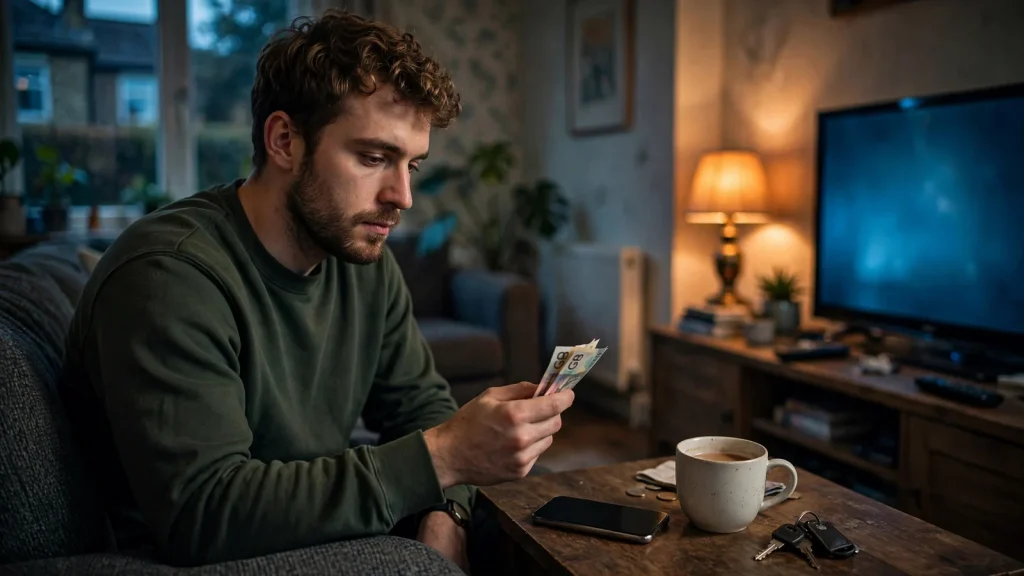
Gambling is a paid form of entertainment, not a way to earn money or solve money problems. A win cannot be planned as income, and chasing losses can turn a limited expense into a larger one. I have seen how “fast play” is presented as convenience; in practice, it can make spending harder to notice.
Signs that gambling may be becoming a problem
The warning signs are often changes in routine and money, rather than one dramatic event. They include:
- spending more than intended, or raising stakes to try to recover losses;
- depositing again after deciding to stop, or gambling for longer than planned;
- using money set aside for bills or essentials;
- borrowing, selling belongings or hiding transactions to fund gambling;
- concealing the amount of time or money spent from family or friends;
- feeling restless or irritable when unable to gamble;
- missing work, study, sleep or ordinary commitments because of gambling;
- continuing despite arguments, debt or other consequences.
These are observable changes, not a diagnosis. Several appearing together, or one continuing despite attempts to stop, is a reason to interrupt access rather than wait for the situation to worsen. That distinction matters.
Tools available through a licensed casino
UKGC-licensed casinos must provide responsible gambling tools, including self-exclusion. Remote operators must prompt new customers to set a financial limit before their first deposit and provide accessible account-level limit controls. These controls can restrict activity, but they do not remove the need to stop when gambling is causing harm.
A practical first step is to open the casino account’s safer-gambling or account-controls section and set a financial limit. If gambling needs to stop altogether, use the self-exclusion option and follow the operator’s on-screen process. If the controls cannot be found or do not work, contact the operator through its account support or complaints route and state clearly that access to gambling needs to be restricted.
In Britain, online slot autoplay is banned, and each online slot spin must last at least 2.5 seconds. The stake in a game cycle cannot exceed £2 for someone under 25 or £5 for someone aged 25 or older; at least 2.5 seconds must pass before another game cycle can begin. These rules limit some features of play. They are not a personal spending plan.
Remote gambling operators cannot accept credit-card payments for gambling, including credit-card funding routed through a money service business. They also cannot accept wallet payments where credit-card funds can be used for gambling. Payment restrictions are not a substitute for limiting or stopping play.
Where to turn now
The available research for this page did not verify any UK gambling-support organisation, address or phone number. No external service is named here rather than risk giving an unverified contact. That is a limit of this information, not a reason to delay action.
For an immediate account-level step, use the casino’s self-exclusion or financial-limit controls. If the operator does not respond, or a complaint about its handling remains unresolved, UKGC licensees must provide an internal complaints process and access to an approved Alternative Dispute Resolution (ADR) service. The operator’s own complaints information should explain how to use those routes.
If gambling has created an immediate safety risk, contact local emergency services. For help from a specialist gambling-support organisation, use a current, independently verified UK directory or ask a local health professional to identify an appropriate service. Check the organisation’s identity and contact details directly before sharing personal or financial information.
Age and operator checks
Operators must verify a customer’s age before allowing a deposit into a gambling account. Gambling is not for anyone below the legal age. A remote operator’s gambling website or app must show its licence details and link to its public register licence information. A licence is a regulatory requirement, not a guarantee that gambling will be harmless.
I regard limits and exclusion as controls, not assurances. When gambling begins to displace bills, sleep, work or honest conversations, the useful step is to restrict access and seek verified help.




























































































































































































































































